


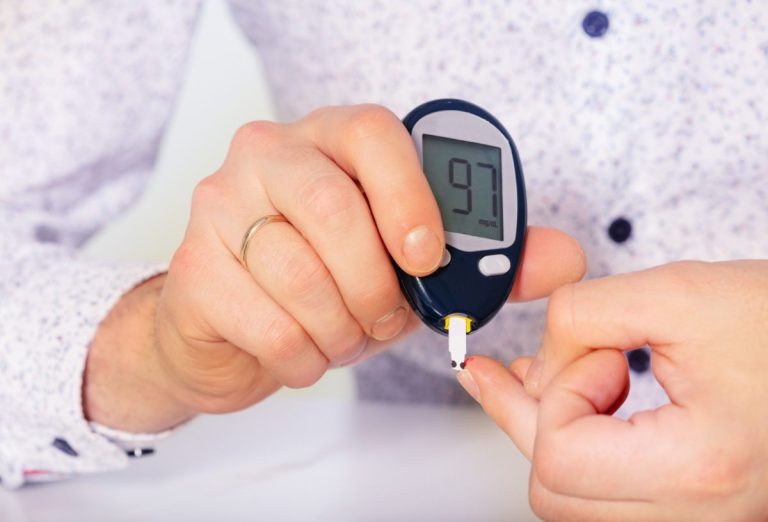
Whether you have recently been diagnosed with diabetes or are supporting a loved one who has the condition, you will learn about diabetes, its causes, and managing your normal sugar level in human body.
No matter the type or causes of diabetes, you can still have a fulfilling life.
What is diabetes?
Diabetes mellitus alters how the body utilizes blood sugar (glucose). For the cells forming the muscles and tissues, glucose is a crucial energy source. It serves as the brain’s primary fuel source.
While diabetes cannot be cured, it can be managed with medication, dietary, and activity adjustments. To prevent problems including nerve damage, kidney problems, cardiac arrest, strokes, peripheral vascular disease (which causes leg discomfort and foot ulcers), cataracts, and loss of eyesight, people with diabetes must have an early diagnosis and treatment.
Blood glucose in diabetes typically ranges from 80 to 180 milligrams per deciliter (mg/dL). So, it is important to maintain blood sugar levels to normal to live a healthy life. Read more about fasting blood sugar normal range
Types of diabetes
- Type 1 diabetes: This develops when a person’s immune system unintentionally kills insulin-producing beta cells in the pancreas. Since the body cannot produce enough insulin, blood sugar levels are uncontrolled and can rise to dangerous levels. The prevalence of this kind of diabetes is only around 5%. Although it can happen at any age, type 1 diabetes generally affects children and young people.
- Type 2 diabetes: This develops when the cells cannot utilise insulin as intended. Blood sugar levels go out of control as a result of the cells being resistant to the actions of insulin. Overweight or obese adults over 30 years are more likely to develop type 2 diabetes. But as the percentage of children and young people who are overweight and obese rises, this kind of diabetes is becoming increasingly prevalent in younger age groups.
- Prediabetes: If your blood sugar level is higher than usual, you can get prediabetes. The level is not high enough to be classified as type 2 diabetes. However, prediabetic adults and kids are at a greater risk of developing type 2 diabetes if their lifestyles don’t change.
- Gestational diabetes: It is brought on by inadequate insulin or pregnancy hormones. Although it’s not always the case, this form of diabetes often resolves when the pregnancy is over. Children whose mothers have gestational diabetes while carrying them in the womb have a higher risk of getting diabetes as adults.
Causes of diabetes
- Type 1 diabetes: Type 1 diabetes has an unknown specific etiology, according to doctors. The immune system wrongly targets and kills insulin-producing beta cells in the pancreas for some unknown cause. Some people may be affected by their genes. Additionally, a virus may trigger an immune system assault.
- Type 2 diabetes: Type 2 diabetes results from hereditary and environmental factors. Your risk rises if you are overweight or obese. The effects of insulin on your blood sugar are resisted by your cells more when you are overweight, especially in the abdomen. Families are prone to this condition. Family members have genes that increase their risk of type 2 diabetes and obesity.
- Gestational diabetes: Hormonal changes during pregnancy are the cause of gestational diabetes. The placenta secretes hormones that reduce the sensitivity of a pregnant person’s cells to the effects of insulin. Pregnancy-related elevated blood sugar might result from this. Gestational diabetes is more likely to develop in people who are overweight before becoming pregnant or who put on too much weight while pregnant.
- Prediabetes: One of the main risk factors for prediabetes is being overweight. Your cells grow more insulin-resistant the more fatty tissue you have, particularly inside and between the muscle and skin surrounding your belly. Or you suffer from polycystic ovarian syndrome, excessive triglycerides, or high cholesterol. If you were pregnant with a baby that weighed more than 9 pounds or if you had gestational diabetes during pregnancy, that could be another cause.
How to manage your blood sugar level?
- Monitor your blood sugar levels to normal to determine what causes them to rise or fall.
- Don’t miss meals, and eat at regular intervals.
- Choose foods low in salt, sugar, saturated and trans fats, and calories.
- Keep a record of your meals, beverages, and physical activity.
- Instead of soda or juice, sip on water.
- Limit your alcohol intake.
- Portion control is important.
- Take your medication as directed.
Consult your doctor if you want to learn more about the causes of diabetes or modify your insulin dosage and the kind of insulin you use.
Managing diabetes is important
A crucial component of managing diabetes is routine blood sugar testing. A person’s diet, degree of physical exercise, and family history can affect blood sugar levels. Fatigue, vertigo, and visual issues are just a few symptoms resulting from high or low blood sugar. Unregulated blood sugar levels have been linked to chronic illnesses such as renal disease, heart disease, and eyesight loss.
FAQs
What causes high blood sugar levels?
Hyperglycemia, often known as high blood sugar, can be brought on by various factors, such as being ill, being under stress, eating more than you intended, and not taking enough insulin.
What are the diabetes risk factors?
- Damage to the pancreas
- Autoantibody presence
- Physical tension
- Exposure to virus-based diseases
Why does prediabetes occur?
Prediabetes develops when insulin in your body doesn’t function as it should. Insulin helps cells use blood glucose, and insufficient insulin causes your blood glucose levels to rise.
